What to check before booking a Niagara Falls day out
A day around the falls can be easy to enjoy and surprisingly easy to mishandle. The river, the parks, the viewpoints and the attractions sit close together, yet the best route depends on timing, entry rules, transport and the amount of walking you want to do. Before paying for a niagara falls day tour, look past the headline stops and check the practical details that shape the day.
Start with the route and the time available
The first thing to check is what the day actually covers. Some plans focus on the main falls viewpoints, while others add nearby attractions, wineries, a tower meal or time in the parks. A full itinerary can sound generous, but it may leave little time at the railings where most people want to linger.
Look at the order of stops as well as the number of stops. Horseshoe Falls usually draws the biggest crowds, so a plan that arrives there at a busy time may feel rushed. A route that begins with a quieter viewpoint and works toward the main area can feel calmer. The direction matters on both the Canadian and American sides, since crossing between them adds border checks and extra travel time.
Check whether the schedule allows free time or only short photo pauses. If the listing says there is time to explore, find out where that time happens. A pause near Table Rock Welcome Centre is very different from a pause at a distant parking area. The exact meeting point is also worth noting, especially if the day begins in Toronto, Niagara Falls or a nearby hotel district.
Check which attractions are included
Falls trips often use familiar attraction names as selling points, but inclusion can mean different things. One plan may include admission. Another may only drive past the entrance or offer an optional stop. Read the wording carefully before comparing two options.

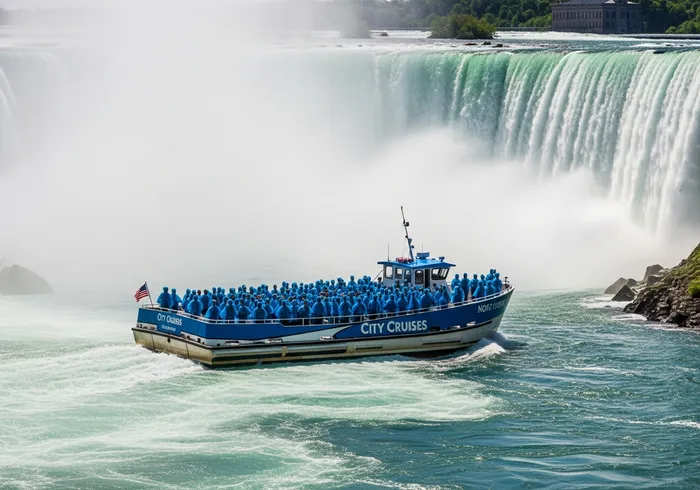
Maid of the Mist is a good example. It is seasonal, weather dependent and usually requires a separate ticket unless clearly listed as included. Journey Behind the Falls is another popular add on, and it can involve stairs, tunnels and wet areas. The Whirlpool Aero Car and Skylon Tower observation deck may appear in longer itineraries, yet they sit away from the core falls area and need travel time.
Decide which experiences matter most before choosing. If close up views are the priority, a plan with more time near the falls may beat one packed with extra stops. If the trip is for a family with mixed ages, a mix of open viewpoints and seated attractions may work better. If scenery matters more than attractions, time along the Niagara Parkway or a quieter nature stop can be more rewarding than a rapid sequence of ticketed sites.
Read the timing details before you commit
Timing affects the quality of the day more than many travellers expect. Check the departure time, return time and the length of each major stop. An early start can bring thinner crowds and better light, though it may not suit everyone. A later departure can feel easier, but it may compress the visit and reduce time at the main viewpoints.
Find out whether the schedule changes by season. Water levels, daylight, attraction openings and road conditions can all influence what is practical. A route that works well in summer may feel different in winter, when paths can be icy and some boat operations stop. A well planned niagara falls day tour should still leave room for weather changes, particularly if outdoor attractions form the heart of the trip.
It is also sensible to check what happens if the group is late back from a stop or if traffic builds near the falls. Clear timing expectations help avoid surprises at the end of the day. Ask whether the return point is the same as the pickup point, and whether there is any flexibility if you want to stay longer in one area.
Look closely at transport and group size
Transport sets the rhythm of the day. A coach can be comfortable for longer distances and may suit travellers who prefer simple logistics. A smaller vehicle can feel more direct, but the route may be more sensitive to traffic and pickup arrangements. Group size changes the pace too. Larger groups often need more time to board, gather and move between stops.
Check the pickup area carefully. A central meeting point is easier than a pickup that requires an early walk across town. Confirm whether the pickup is at a named hotel, a transit station or a general area. The difference matters when luggage, children or limited mobility are part of the day.
Seating, air conditioning and boarding order can also affect comfort. If the trip includes a border crossing, ask how that part is handled and what documents are needed. Travellers should rely on official entry requirements for their nationality rather than assuming the same rules apply to everyone.
Think about walking, access and comfort
The falls area is walkable, but it is not flat in every section. Viewpoints, tunnels, stairways and park paths can add more movement than the itinerary suggests. Check the walking distance between stops and whether there are places to sit. Journey Behind the Falls, for example, may not suit someone who finds stairs difficult, while an open viewpoint can be easier to enjoy at a slower pace.
Access needs should be checked before booking rather than on the day. If a traveller uses a mobility aid, confirm whether the route can accommodate it and whether the attractions on the plan allow access. Do not assume that a stop near the falls means an easy path to the water or the railings.
Weather preparation is part of comfort. Mist can soak clothing near the falls, and spray may make paths slippery. A light waterproof layer, secure footwear and a bag that protects a camera are practical choices. In warmer months, shade and water breaks matter. In colder months, warm layers and careful footing matter more. The Niagara Glen Nature Reserve can be beautiful, but uneven trails make it a poor fit for some plans and some travellers.
Understand the booking terms and hidden gaps
Before paying, check what the booking includes beyond transport and the listed stops. Admission tickets, meals, gratuities and optional attractions may be separate. This is not a problem if it is clear from the start. It becomes frustrating when the day is built around an attraction that is not open or not included.
Read the cancellation terms and the rules for changes. Weather can alter plans around the falls, and a flexible policy can be useful when boat rides or outdoor stops are affected. Check whether the operator needs a minimum number of travellers, and what happens if the trip is cancelled. Keep confirmation messages accessible, including the meeting point and emergency contact details.
Also check meal arrangements. A day trip that runs through lunchtime may include a stop, a meal or only free time. If food is not included, find out whether there is enough time to eat and whether the stop offers suitable choices. This matters for families, dietary needs and anyone who prefers not to carry food all day.

Match the trip to the kind of day you want
Some visitors want a clear, structured route with every transfer arranged. Others would rather have a shorter tour and spend the rest of the day walking along the river or returning to a favourite viewpoint. Both approaches can work, but they suit different expectations.
A first visit may benefit from a plan that covers the main falls areas and explains the layout. A repeat visit may be better with more time for photography, parks or a slower look at the river. A family trip may value short stops and easy facilities. A couple may prefer a quieter route with time for a meal and a view rather than a full schedule of attractions.
The best choice is usually the one that fits the day around it. Check how the tour fits with arrival and departure plans, hotel location, border requirements and the amount of energy you expect to have. When those details line up, the falls themselves become the focus rather than the logistics. A little careful reading before booking can turn a busy itinerary into a day that feels smooth, unhurried and well matched to the people travelling.